India’s lighting industry is evolving rapidly. Growing demand for energy-efficient solutions, infrastructure projects, commercial developments, and smart lighting technologies has created significant opportunities for dealers and distributors across the country.
Yet many businesses entering the market make the same mistake. They focus almost entirely on products.
While product quality certainly matters, successful dealerships are rarely built on products alone. In today’s competitive market, LED lighting dealers need a manufacturer relationship that supports growth, strengthens credibility, and helps solve business challenges long after an order is delivered.
The most successful dealer networks understand a simple truth: a supplier provides products, but a partner helps build a business.
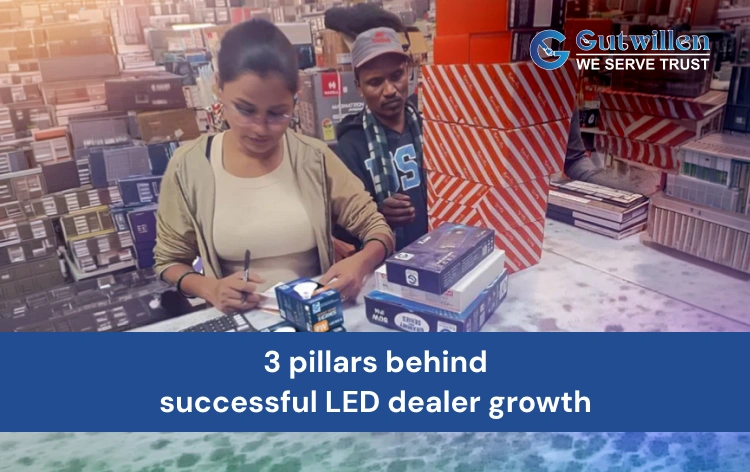
This is where the three pillars of partnership become important.
The difference between a supplier and a business partner
Many manufacturers can offer lighting products. Fewer can help dealers grow sustainably.
A transactional supplier relationship often revolves around pricing, inventory, and order fulfillment. While these elements are important, they do little to help dealers overcome challenges such as increasing competition, changing customer expectations, technical product questions, and after-sales service demands.
A true partnership creates value beyond the product itself.
For dealers evaluating manufacturers, the real question should not be, “What products do they sell?”
Instead, it should be, “What kind of support will they provide when I need to grow my business?”
Pillar 1: Product excellence creates the foundation
Every successful partnership begins with product confidence.
When dealers recommend a product to contractors, retailers, facility managers, or end users, they are putting their own reputation on the line. Product failures, inconsistent quality, or unclear warranty policies can quickly damage customer trust.
This is why product excellence remains the first pillar of a strong partnership.
Certified products build customer confidence
Modern buyers are increasingly aware of quality standards and certifications.
Products supported by recognized standards help dealers demonstrate credibility and reduce buyer hesitation.
Important considerations include:
- BIS and ISI compliance
- BEE-rated products where applicable
- CE certifications
- RoHS compliance
- Reliable warranty coverage
Customers may not always ask about certifications directly, but they often associate certified products with reliability and long-term value.
Product range affects business opportunities
A dealer’s growth potential is often influenced by the breadth of products available through their supplier.
For example, a business working with trusted LED bulb suppliers may eventually need access to panel lights, street lights, flood lights, batten lights, industrial lighting, and commercial solutions.
A broader product portfolio allows dealers to serve multiple customer segments without constantly searching for additional vendors.
Pillar 2: Business growth support drives expansion
Even exceptional products do not automatically generate sales.
Many dealers struggle not because of product quality, but because they lack the tools and resources needed to reach new customers effectively.
This is where business support becomes the second pillar of partnership.
Marketing support helps dealers compete
Today’s buyers research products online before making purchasing decisions.
Manufacturers that provide marketing resources can help dealers present products more professionally and consistently.
Useful support may include:
- Product brochures
- Digital catalogs
- Social media content
- Product photography
- Technical specifications
- Co-branded marketing materials
These resources help dealers spend less time creating sales tools and more time building customer relationships.
Training improves sales performance
Technical knowledge can become a major competitive advantage.
Customers frequently ask questions about:
- Energy savings
- Product lifespan
- Installation requirements
- Lighting applications
- Warranty coverage
Dealers who understand the products thoroughly are often better positioned to build trust and close sales.
Training programs, product demonstrations, and technical workshops can significantly improve confidence across dealer teams.
Flexible business terms support growth
Cash flow remains one of the biggest challenges for many growing businesses.
Manufacturers that understand dealer realities often provide business-friendly structures that help support expansion while maintaining healthy operations.
Strong partnerships recognize that dealer success contributes directly to long-term manufacturer success.
Pillar 3: After-sales partnership builds long-term trust
The third pillar is often the most overlooked.
A sale is not truly complete when a product is delivered. Customer experiences after installation can influence future purchasing decisions far more than the initial transaction.
This is why after-sales support plays such an important role in dealership success.
Warranty support protects dealer relationships
Customers expect clear warranty processes and responsive service when issues arise.
Manufacturers that provide transparent warranty programs help dealers maintain confidence even when occasional product concerns occur.
A strong warranty policy demonstrates commitment to both product quality and customer satisfaction.
Technical assistance reduces customer frustration
Many lighting projects involve technical questions that arise during installation or operation.
Whether dealing with commercial facilities, industrial projects, or outdoor lighting applications, access to knowledgeable support teams can help dealers resolve issues more efficiently.
This becomes particularly valuable for businesses working with specialized products sourced through LED flood light suppliers and other commercial lighting categories.
Faster issue resolution encourages repeat business
Customers remember how problems are handled.
When dealers receive timely support for replacements, troubleshooting, and service requests, they are better equipped to maintain positive customer relationships.
Over time, these experiences contribute to stronger customer loyalty and increased repeat business.
How dealers can evaluate a potential partner
Before committing to a manufacturer relationship, dealers should evaluate suppliers beyond product catalogs and pricing sheets.
Consider asking:
- Are the products certified and tested?
- Is technical training available?
- What marketing resources are provided?
- How are warranty claims handled?
- Is after-sales support accessible?
- Does the supplier offer a broad product range?
- Are there dedicated dealer support channels?
The answers often reveal whether a company operates as a simple supplier or as a long-term business partner.
Why partnerships matter more than ever
The Indian lighting market continues to evolve as demand for energy-efficient and smart lighting solutions increases.
As competition grows, dealers need more than inventory access to remain successful.
The businesses that thrive are often those supported by manufacturers that invest in dealer development, product education, customer service, and long-term relationship building.
In many cases, partnership quality becomes a stronger differentiator than product pricing alone.
For LED lighting dealers, sustainable growth increasingly depends on choosing partners that contribute to every stage of the business journey.
The strongest dealer relationships are built on partnership, not products
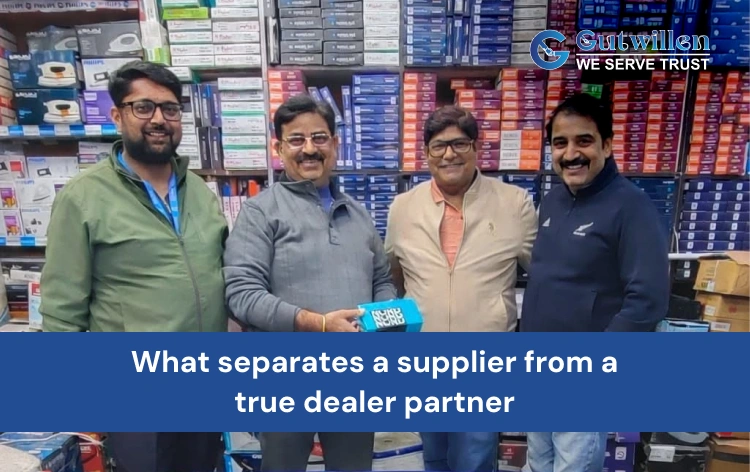
In a competitive marketplace, products alone are rarely enough to create long-term success. The strongest dealer networks are built on three essential pillars: product excellence, business growth support, and after-sales partnership. Together, these elements help dealers improve customer confidence, expand their reach, and build sustainable businesses.
At Gutwillen, we understand that successful partnerships require more than supplying products. By supporting dealers with quality lighting solutions, business resources, technical expertise, and long-term collaboration, Gutwillen plays an important role in helping dealer networks navigate the evolving lighting market and pursue sustainable growth. Partner with us today to know more.
FAQs
1. What does an LED dealer partnership include?
A strong partnership typically includes product supply, technical support, marketing assistance, training, warranty programs, and after-sales service.
2. Why is product quality important for LED dealers?
Product quality directly affects customer satisfaction, repeat business, and the dealer’s reputation in the market.
3. Do manufacturers provide training for dealers?
Many manufacturers offer product training, technical workshops, and sales support programs to help dealers improve their product knowledge.
4. What should dealers look for in an LED supplier?
Dealers should evaluate certifications, product range, warranty support, training opportunities, marketing assistance, and after-sales service.
5. Why is after-sales support important?
Effective after-sales support helps dealers resolve customer issues quickly and maintain long-term customer trust.
6. Can a manufacturer help dealers grow their business?
Yes. Manufacturers that provide marketing resources, technical support, and business development assistance often help dealers expand more effectively than suppliers focused solely on product sales.