Sustainability is no longer just a buzzword in boardrooms. It has become a measurable priority for companies seeking to reduce operational costs, build trust, and remain aligned with global environmental standards. One of the simplest yet most impactful changes organisations can make is switching to LED lighting.
Lighting is often overlooked when businesses discuss sustainability strategies. Yet it accounts for a significant portion of energy consumption in offices, factories, warehouses, and retail spaces. The right lighting choice can quietly transform how a company manages resources while supporting long-term environmental goals.
Let’s take a closer look at how LEDs are helping businesses move towards a greener future.
Why LED lighting is a sustainability game-changer
Traditional lighting systems consume more electricity and require frequent replacements. This combination leads to higher carbon emissions and unnecessary waste.
LED lighting, on the other hand, uses far less power while delivering the same, if not better, brightness. Lower energy consumption directly reduces a company’s carbon footprint, making it easier to meet internal sustainability targets and regulatory expectations.
Another important benefit is longevity. LEDs last significantly longer than conventional bulbs, reducing the number of products that end up in landfills. When multiplied across large facilities, the environmental impact becomes substantial.
Reducing energy consumption without compromising performance
Energy efficiency sits at the heart of any sustainability plan. Businesses are constantly searching for ways to lower electricity usage without affecting productivity or safety.
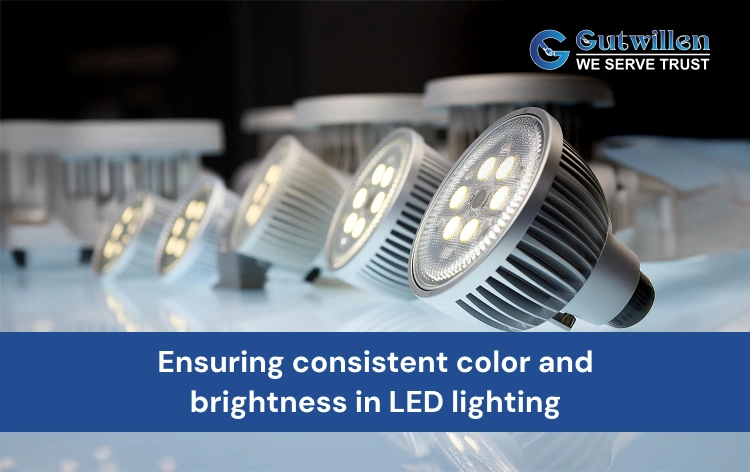
Partnering with reliable LED light bulb suppliers ensures access to high-efficiency solutions that maintain consistent illumination across workspaces. Whether it is a manufacturing unit that runs overnight or a corporate office operating long hours, efficient lighting helps control energy bills while supporting responsible consumption.
Many modern LED systems also offer smart controls such as motion sensors and automated dimming. Lights operate only when needed, preventing energy from being wasted in unoccupied areas.
Supporting greener building certifications
Recognised certifications often serve as strong indicators of a company’s commitment to quality and environmental responsibility. Standards such as ISO 9001:2015, BIS, and RoHS reflect adherence to structured quality processes, product safety requirements, and restrictions on hazardous substances. Lighting plays a meaningful role in supporting these benchmarks, as energy-efficient and responsibly manufactured solutions contribute to safer operations and more sustainable business practices.
Since LED lighting contributes to lower energy use and improved building performance, it often helps organisations earn points toward certification requirements. Beyond compliance, these recognitions enhance brand reputation and appeal to environmentally conscious clients and investors.
It is a practical step that delivers both environmental and business value.
Less maintenance, less waste
Frequent replacements do more than increase maintenance costs. They also create material waste and add to logistical emissions from manufacturing and transportation.
High-quality LEDs minimise these challenges. Working with an experienced LED profile light manufacturer allows companies to install durable fixtures designed for long-term use. Profile lights are particularly effective in modern commercial spaces because they provide uniform illumination while maintaining a clean, architectural look.
With fewer disruptions and reduced waste generation, operations become more sustainable almost effortlessly.
Enabling smarter workspace design
Sustainability is not only about energy savings. It is also about creating environments that support employee well-being.
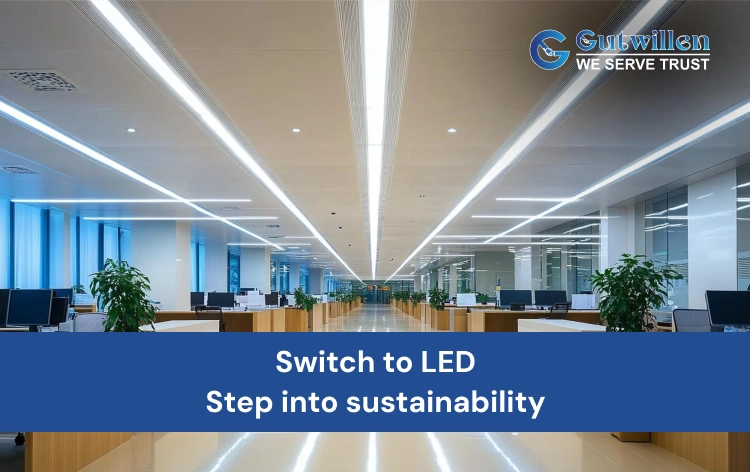
LED technology offers better colour rendering and more natural-looking light, which can improve comfort and reduce eye strain. A well-lit workspace often enhances focus and productivity, indirectly contributing to efficient resource utilisation.
Businesses that collaborate with trusted LED light bulb suppliers often discover flexible lighting solutions that adapt to different layouts. From task lighting to ambient setups, thoughtful design ensures light is used effectively rather than excessively.
Future-ready lighting for evolving businesses
As sustainability expectations grow, companies must think beyond immediate upgrades. They need solutions that remain relevant for years.
Choosing products from a reliable LED profile light manufacturer can prepare organisations for future integrations with smart building systems and energy monitoring platforms. These technologies provide valuable insights into consumption patterns, helping businesses refine their sustainability strategies over time.
Investing in forward-looking lighting today prevents costly overhauls tomorrow.
Small change, lasting impact
Switching to LED lighting may seem like a modest operational decision, but its ripple effects are far-reaching. Lower emissions, reduced waste, improved efficiency, and smarter infrastructure all contribute to a stronger sustainability framework.
For companies serious about responsible growth, lighting is not just a utility. It is an opportunity to create measurable environmental progress while maintaining operational excellence.
Light the path to a more sustainable business

Sustainability is shaped by everyday decisions, especially the ones that quietly influence how resources are used. Thoughtfully implemented LED lighting helps organisations cut energy consumption, reduce waste, and build operations that are both responsible and resilient. Over time, these improvements do more than support environmental goals. They position businesses as forward-thinking and prepared for a future where efficiency truly matters.
For companies ready to make that shift, partnering with the right lighting provider becomes just as important as choosing the technology itself. Gutwillen offers LED lighting solutions that align with modern sustainability expectations, combining efficiency, durability, and dependable performance for commercial environments. If your organisation is looking to move towards greener operations with confidence, contact us to learn more about lighting solutions that support your sustainability journey.
FAQs
1. How does LED lighting support corporate sustainability efforts?
LED lighting helps companies lower their environmental impact by consuming significantly less electricity compared to traditional lighting systems. Reduced energy usage leads to lower greenhouse gas emissions, which is a key objective for many sustainability strategies. Additionally, LEDs have a longer lifespan, resulting in fewer replacements and less material waste. Together, these advantages make lighting upgrades one of the most practical steps businesses can take towards responsible operations.
2. Can switching to LED lighting reduce operational costs as well as environmental impact?
Yes, it can do both. While the initial investment may be higher than conventional lighting, LEDs quickly offset this cost through reduced power consumption and minimal maintenance needs. Businesses often notice a drop in electricity bills and fewer disruptions caused by frequent bulb changes. Over time, this balance of financial savings and environmental benefits strengthens overall business efficiency.
3. Why is product certification important when choosing LED lighting?
Certifications indicate that lighting products meet recognised standards for quality, safety, and environmental responsibility. Products aligned with benchmarks such as ISO 9001:2015, BIS, and RoHS demonstrate structured manufacturing processes and restricted use of hazardous materials. Choosing certified lighting solutions gives businesses greater confidence in performance while supporting broader sustainability objectives.
4. How does LED lighting contribute to healthier work environments?
LEDs provide stable, high-quality illumination that closely resembles natural light. This can reduce eye strain and create a more comfortable workspace for employees, particularly in offices and industrial settings where lighting is used for long hours. Better visibility may also improve focus and productivity, allowing organisations to use resources more effectively while supporting employee wellbeing.
5. Is LED lighting a future-ready investment for growing businesses?
Absolutely. Modern LED systems are designed to adapt to evolving workplace needs, often supporting features such as dimming, automation, and smart controls. These capabilities allow companies to monitor and optimise energy usage as they expand. Investing in advanced lighting today prepares businesses for future sustainability expectations while helping them avoid frequent infrastructure upgrades.